Changing Dynamics of Middle Eastern Geo-politics and Emerging World Order
Host Institution: Minhaj University Lahore and the Himalayan Policy Research Institute (HPRI)
Date: May 05, 2026
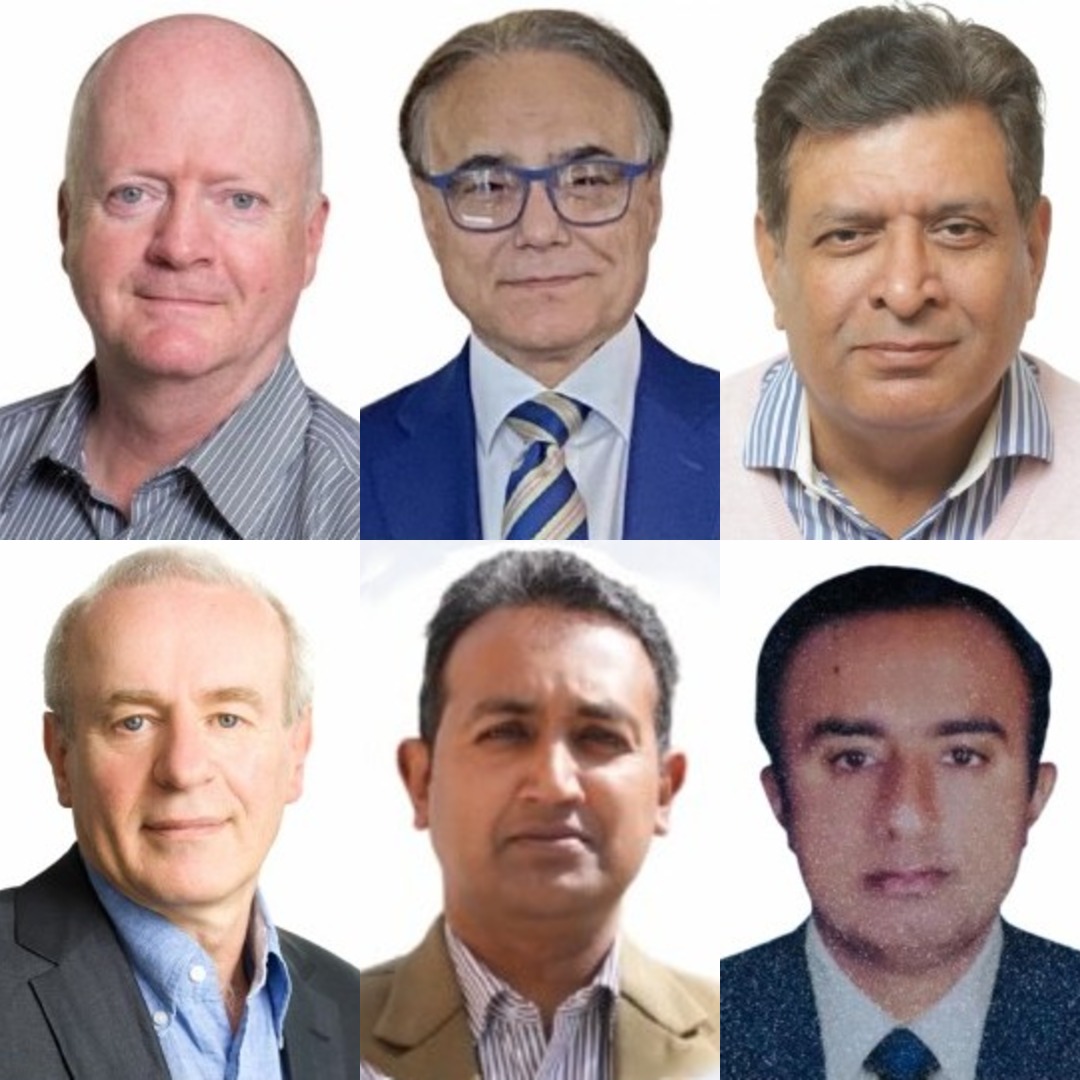
Key Speakers and Panelists
- Prof. Dr. Alistair Edgar: Wilfrid Laurier University, Canada
- Prof. Dr. Afsar Rathor: Former UN Peacekeeping and Development Expert
- Prof. Dr. Tahir Naeem Malik: NUML, Global Affairs Analyst
- Prof. Dr. Heinz Gartner: University of Vienna, International Security Expert
- Prof. Dr. Rizwana Abbasi: NUML, IR and Strategic Studies Expert
- Moderator: Dr. Yasir Khan (Director, Security Section HPRI)
- Coordinator: Dr. Syed Waqas Haider Bukhari (Research Fellow, HPRI)
Key Arguments of Speakers
Prof. Dr. Afsar Rathor
- Iranian Internal Power: He noted a shift in Iranian decision-making toward a hardline inner circle dominated by Revolutionary Guard commanders, moving away from exclusive clerical authority after the assassination of the Supreme Leader.
- The Strait of Hormuz: Highlighted that it remains the world's most sensitive energy choke point, with 20 million barrels of oil and one-fifth of global natural gas trade passing through daily.
- Global Economic Impact: Reported that the 2026 shipping disruptions have caused the Gulf Stock Exchange to lose $3.5 trillion in market capitalization and hit major infrastructure in Bahrain, Iraq, Kuwait, Qatar, Saudi Arabia, and the UAE.
- System Redesign: Argued the region is moving from "crisis management" to "system redesign," where states are diversifying partnerships and no longer asking the US for permission regarding security.
- Nuclear Enrichment: Clarified that while the 2015 JCPOA set enrichment at 3.67%, Iran has reached approximately 60% (roughly 409 kg) following the rejection of the agreement by the Trump administration.
- Humanitarian Concerns: Drew attention to the misery of 20,000 people stranded in the Gulf running out of food and water due to the blockade.
Prof. Dr. Tahir Naeem Malik
- Historical Context: Identified five events shaping the global order: the 1979 Soviet invasion of Afghanistan, the Iranian Revolution, the disintegration of the Soviet Union, the rise of China and multipolarity, and the current 2026 conflict.
- Regional Competition: Stated that the original order in the Middle East is in influx, with Saudi Arabia, Iran, and Turkey competing for regional dominance.
- The UAE and OPEC: Pointed to the UAE's exit from OPEC and its policy differences with the GCC as evidence of friction and a shifting nexus involving India and Israel.
- Pakistan's Role: Described Pakistan's shift from a "facilitator" to a "mediator" and "fair arbitrator," comparing its diplomatic position to Oslo in Scandinavia.
Prof. Dr. Heinz Gartner
- Security Dilemma: Explained that Iran's build-up of its missile and nuclear programs was a reaction to the Iran-Iraq war and perceived threats, which in turn increased anxieties in Israel.
- JCPOA Breakdown: Regarded the 2015 agreement as one of the best arms control agreements in history, but noted its failure after the US withdrawal in 2018 and the "procrastination" of the Biden administration.
- Negotiation Stumbling Blocks: Identified three major hurdles to a new deal: sanctions relief, security guarantees (against future US withdrawal), and the sequencing of who acts first.
- Regional Security Solution: Suggested that a collective regional security system, where states recognize each other's security needs (including Israel's), is the only long-term guarantee.
Prof. Dr. Alistair Edgar
- Security Lessons: Observed that states learn alarming lessons from global events: Ukraine gave up nuclear weapons and was invaded, while North Korea developed them and has not been attacked.
- US Reliability: Cited an interview with Canada's Prime Minister suggesting that agreements signed with a Trump-led government may not be viewed as guaranteed or lasting.
- Maritime Humanitarian Crisis: Expressed deep concern for the 20,000 seafarers trapped near the Strait of Hormuz who cannot dock in Iran due to blockades or elsewhere due to visa and sanction issues.
- Global Food Security: Highlighted the massive disruption to fertilizer transport (one-quarter of which transits the Strait), warning of a looming global food crisis as farmers are unable to plant crops.
Moderator and Coordinator Summary
Dr. Yasir Khan (Moderator) and Dr. Syed Waqas Haider (Coordinator) concluded that the Middle East is no longer a theater for external competition, but an active player shaping the global order through strategic autonomy and multipolarity.